

When heavy metal stainless steel products in use exceeds the limit migration, there is a potential health hazard. Thus, the production of stainless steel cookware, you need between the corrosion protection and security to find a balance. If nickel, chromium content, corrosion enhancements, but the attendant nickel, chromium precipitation will also increase the amount of increase means that the security risk. Because of this, "Stainless Steel" (GB9684-2011) national food safety standards, cooker chromium, cadmium, nickel, lead and heavy metals precipitation amount index has strict provisions. Why does not specify the national standard manganese migration limit (most countries internationally unspecified)? One reason is that, with the increase in stainless steel manganese content, accompanied by a cooker corrosion, rust and other damage to its function, once the manganese content to a high value, such products may not be used or can not be called stainless steel cookware cookware a. But even such a high manganese content, generally do not have health effects. Therefore, the national food safety standards, although not make provision for manganese content, but made clear that the main part of the food containers, made of stainless steel must be selected in line with national standards.
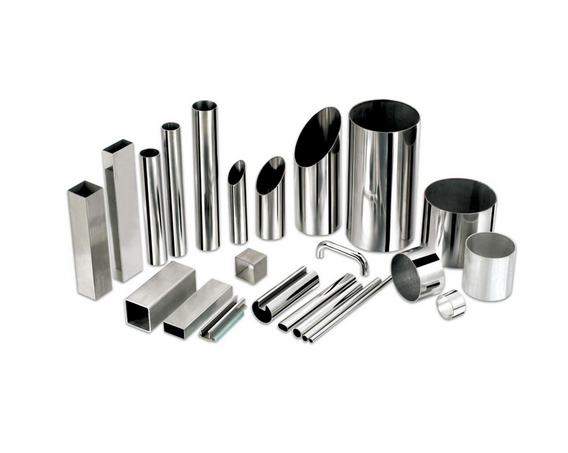
Food grade stainless steel tube that is in line with GB9684 standard stainless steel. 304 stainless steel is a very common, the industry also known as 18/8 stainless steel. Its corrosion resistance is better than 430 stainless iron, corrosion-resistant, high temperature, good processing performance, it is widely used in industrial and medical furniture industry and the food industry, for example: Some high-grade stainless steel tableware, kitchen utensils bathroom. 304 is a versatile stainless steel, it is widely used to produce good overall performance (corrosion resistance and formability) of equipment and parts. To maintain the inherent corrosion resistance of stainless steel, the steel must contain more than 17% of chromium, more than 8% of the nickel content. Usually food grade 304 stainless steel is not a special processed food grade.